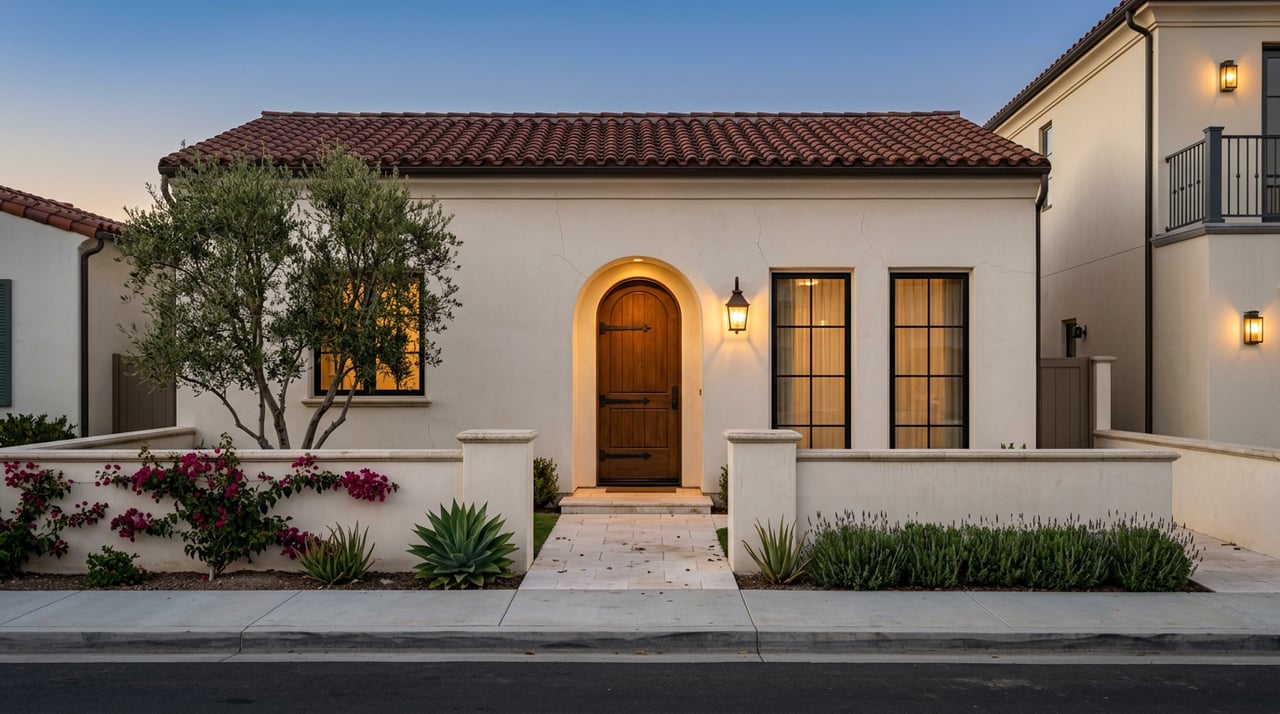

Thinking about selling in Bay Park but unsure where to price your home? In a neighborhood where views, updates, and low inventory can swing values fast, setting the right list price can feel tricky. You want to earn top dollar without sitting on the market or risking appraisal issues. In this guide, you’ll learn a simple, local-first approach to pricing your Bay Park home with confidence, from picking the right comps to adjusting for views and timing your launch. Let’s dive in.
What drives value in Bay Park
Bay Park’s hillside location above Mission Bay attracts buyers who value coastal lifestyle and easy access to downtown and the airport. That creates strong demand for homes with views and quality updates. Limited neighborhood inventory can shorten days on market and support healthy pricing for standout features.
- Views are a major value driver. Panoramic bay or skyline outlooks often command the highest premiums.
- Condition and updates matter. Many homes have been remodeled or expanded. Buyers compare finishes and permits closely.
- Parking and lot usability help. Off-street parking and a usable yard can be meaningful in tighter pockets.
- Property type and size guide the baseline. Single-family vs condo, bedroom count, and square footage shape your starting range.
Build your pricing baseline with comps
Start with recent, nearby sales that match your home’s type and features. Your best comparables reflect what buyers have actually paid for similar homes right now.
- Use the last 3 to 6 months of closed sales. Extend to 6 to 12 months only if inventory is thin.
- Stay close to home. Aim for 0.25 to 0.5 mile in Bay Park. Push to about 1 mile only when necessary and adjust more carefully.
- Match property class and size. Keep gross living area within about 15 to 25 percent, and bedrooms within plus or minus one.
- Match condition and view. Renovated vs original is a major difference, and view exposure must be similar to compare fairly.
- Favor arms-length sales. Be cautious with distressed sales or heavy concessions that may not reflect market value.
What to capture for each comp
Gather a consistent set of details for a clean apples-to-apples analysis:
- Sale date and final sale price
- Original list price, price changes, and days on market
- Address and relation to your home’s location and elevation
- Property type, beds and baths, square footage, lot size
- Parking and HVAC details, including air conditioning
- View type and orientation: panoramic, partial, distant, or none
- Condition and remodel recency, with permit status
- Year built and notable systems updates
- Financing type if available and any seller credits
Make smart adjustments
Once you have a tight group of comps, identify a market-derived price per square foot or price band. Then apply targeted adjustments for the features that move value in Bay Park.
Views matter
View quality is a top differentiator. Typical market ranges in Bay Park:
- Panoramic bay and city skyline views: about 10 to 25 percent premium over a similar no-view home
- Partial water or seasonal views: about 5 to 15 percent premium
- Distant bay or skyline glimpses: about 2 to 8 percent premium
Confirm what buyers actually see using listing photos and on-site observation. Note any factors that reduce a view premium, such as obstructions, privacy trade-offs, or potential for future blockage.
Condition and upgrades
Price the home based on what buyers will pay for the current condition, not the cost of improvements alone.
- Use cost-to-cure for obvious fixes like roof, HVAC, or clear deferred maintenance.
- Apply market percentage adjustments for quality gaps. A fully renovated home vs original often justifies about 5 to 20 percent, depending on scope and finishes.
- Cosmetic items like paint and flooring typically adjust in the 1 to 3 percent range or a modest dollar amount.
- Verify permits for additions or conversions. Non-permitted space usually reduces marketability and appraised value.
Other common adjustments
- Square footage: Use price per square foot from your best comps, then multiply by the size difference. Smaller homes often have a higher per-square-foot value.
- Bedrooms and baths: Consider functional value in the layout rather than a fixed dollar amount.
- Lot and outdoor space: Usable, private yards tend to command a premium. Steep or limited-use lots can weigh on price.
- Parking: Garage and off-street parking are valuable in denser pockets. Lack of parking can reduce price.
Watch market signals 3 to 6 months out
Bay Park is compact and can shift quickly. Track neighborhood-level indicators, not just countywide numbers.
- Months of supply: Signals whether sellers or buyers have the edge.
- List-to-sale price ratio: Shows how close homes sell to list price.
- Median days on market: Reveals how fast well-priced homes move.
- Seasonal patterns: Spring and summer often draw more coastal buyers. Winter can still work with sharper pricing and strong presentation.
- Interest rates: Rate changes affect buyer budgets and sensitivity to list price.
Choose a pricing strategy
Pick an approach that fits current demand and your risk tolerance.
- Market-value pricing: The most reliable path in a balanced market. Price cleanly within the comp range to drive strong traffic and fair offers.
- Slightly aggressive pricing: Works when inventory is thin and demand is high. Be ready to support value with a thorough comp package and upgrade documentation.
- Penetration pricing: Listing just under market to spark competition can drive bids up. It works best when months of supply is low and buyers are active.
- Overpricing: Risks long days on market and price cuts. Repeated reductions can stigmatize the listing.
Prep for appraisals and negotiation
If you price toward the top of the market for a great view or fresh remodel, plan ahead to support value with facts.
- Pre-listing inspection: Identify issues and set realistic expectations. Repair or offer credits to reduce friction.
- Documentation: Keep permits, upgrade invoices, and a comp-adjustment worksheet ready for appraisers and buyers.
- Marketing for views: Use professional photography and aerials to showcase sightlines accurately.
- Appraisal strategies: Discuss buyer options like appraisal-gap funds. Shorter contingency windows may help keep momentum.
- Multiple offers: If demand is strong, consider an offer review window and clear criteria for price, financing, inspection period, and closing timeline.
A quick pricing example
Here is a simplified way to think about a price range. Always confirm with fresh local comps before listing.
- Start with three to five recent, close-proximity sales similar in size and condition.
- Derive a price-per-square-foot range and apply it to your home’s square footage.
- Adjust within the range based on view quality, condition, parking, and lot usability using the typical ranges above.
- Cross-check against current actives and pendings to ensure your pricing is competitive today.
Your pre-listing checklist
Use this quick list to get your pricing dialed in and your home market-ready.
- Pull 6 to 12 recent sold comps within 3 to 6 months, plus about 6 current actives or pendings.
- Document your view with photos and note orientation and any potential obstructions.
- Verify permits for remodels, additions, ADUs, or garage conversions.
- Order a pre-listing inspection and gather disclosures, tax records, and for condos, HOA documents.
- Prepare a concise comp-adjustment worksheet and finalize a suggested list price range.
When to list in Bay Park
If you have flexibility, spring and summer often bring more coastal activity. That can support strong pricing for homes with views and outdoor living space. If you need to sell in fall or winter, focus on a sharp list price, clean presentation, and clear value proof for upgrades and views. The right price, supported by data, can attract serious buyers in any season.
Ready to price your Bay Park home with confidence and a calm, service-first plan? Talk with a neighborhood-focused pro who pairs polished marketing with hands-on problem solving. Connect with Derek Jones Realty to get a data-backed price range and a plan tailored to your timeline.
FAQs
How do you pick comps for Bay Park homes?
- Focus on recent sales within 0.25 to 0.5 mile that match property type, size, condition, and view, then confirm list-to-sale ratio and days on market for pricing confidence.
What is a bay view worth in Bay Park pricing?
- Expect a meaningful premium tied to view quality: panoramic often 10 to 25 percent, partial 5 to 15 percent, and distant 2 to 8 percent, verified against nearby sales.
How do you avoid an appraisal gap when pricing high?
- Provide a thorough comp package, permits and invoices for upgrades, consider shorter contingency windows, and discuss appraisal-gap funds with qualified buyers.
Is winter a bad time to list a Bay Park home?
- Not necessarily, but buyers can be more price sensitive; use competitive pricing, strong presentation, and clear value proof to drive quality showings.
How many price reductions should you expect in Bay Park?
- A well-priced, well-marketed home should not need repeated reductions; if activity lags, reassess price strategy and market position with current comps.