Trying to decide between a La Jolla condo and a single-family home? You’re not alone. With views, beach access, and a wide spread of prices, it can be tough to know which path fits your lifestyle and budget best. In this guide, you’ll learn the real differences in cost, maintenance, privacy, and rules in La Jolla so you can move forward with confidence. Let’s dive in.
La Jolla market snapshot
La Jolla is one of San Diego’s highest-priced coastal markets. Recent data across major portals places the median sold price for all home types roughly between 2.3 million and 2.6 million. Prices vary by micro-neighborhood, property condition, and views, so it pays to compare true comps before you write an offer.
Here is how prices typically break down by dwelling type:
- Condos: entry-level examples can appear under 1.0 million in older or inland Village complexes; mid-range condos often land in the 900k to 1.8 million band; oceanfront or Village-front condos frequently sell in the multi-million range.
- Single-family homes: many trade between 2 million and 5 million, with premium areas like Muirlands, La Jolla Farms, and parts of the Village often well above 3 million.
Bottom line: condos can lower your entry price and maintenance load, while detached homes command a premium for privacy, land, and views.
Condo vs. house at a glance
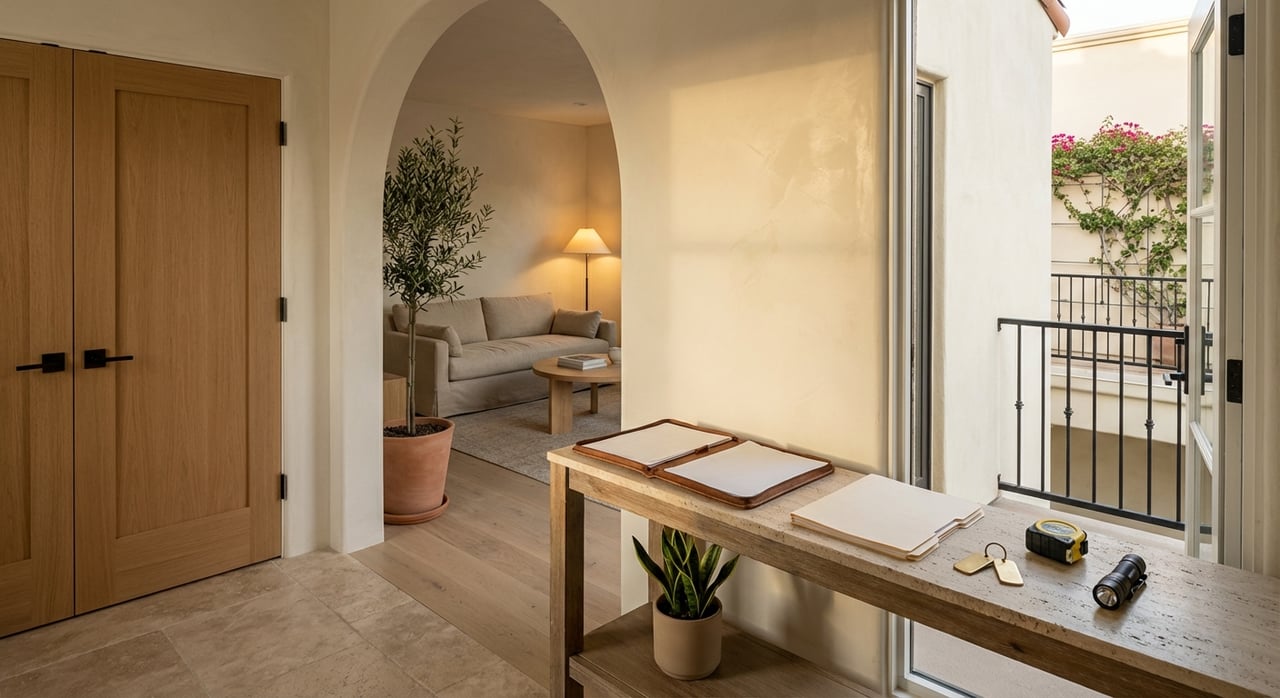
- Condos: lower exterior maintenance, predictable monthly HOA dues, shared walls, building rules, and variable parking setups. Many offer balconies or shared terraces over private yards.
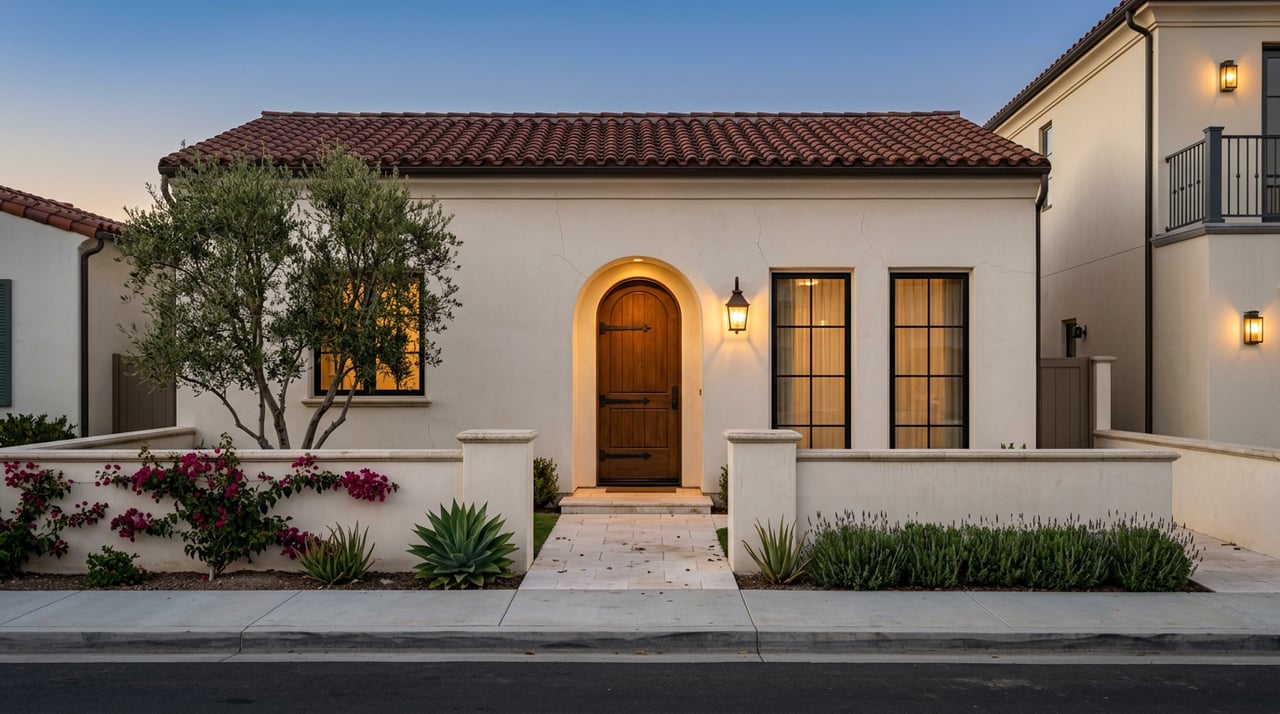
- Single-family homes: full control and privacy, larger outdoor space, and potential for future additions, with higher variable maintenance and coastal wear to plan for.
Maintenance and responsibilities
- Condos: Exterior, roof, landscaping, and many building systems are HOA managed, funded by monthly assessments. Review the association’s governing documents and budget under California’s Davis-Stirling rules to confirm who handles what. The statute that governs common-interest developments is outlined in California’s Davis-Stirling Act.
- Single-family homes: You’re responsible for the house and lot. On the coast, salt air and sun can speed up paint, metal, and deck wear, which increases routine maintenance needs over time.
Privacy and noise
- Condos: Shared walls and common areas can mean less privacy and more building rules. Check CC&Rs for quiet hours, occupancy limits, and guest policies.
- Single-family: No shared walls and more control over your space.
Outdoor space and views
- Condos: Expect balconies or common patios instead of private yards. Many buildings trade private lawn space for ocean views.
- Single-family: More outdoor space for gardening, play, or pets. Some lots may support an accessory dwelling unit, but coastal and local rules continue to evolve. Always confirm feasibility before you count on an ADU.
Walkability and coast access
La Jolla’s lifestyle centers on beaches and the Village. Living near the Cove, Shores, or Bird Rock can boost daily walkability and beach time, often at a higher purchase price. Decide how often you want to walk to coffee, dinner, and the beach and weigh that against your price and space needs.
Parking and guest access
- Condos: Parking varies by building, from assigned garage stalls to street parking. Check how many spaces are deeded and what guest parking or street rules apply.
- Single-family: Driveways and garages are more common. Coastal visitor traffic can still affect on-street availability.
Short-term rentals and income
If rental income matters, verify two layers of rules. First, review San Diego’s Short-Term Residential Occupancy rules. Then confirm whether the HOA’s CC&Rs allow or restrict short-term rentals. A city license will not override an HOA ban.
Cost of ownership in each option
- HOA dues: La Jolla HOA fees vary widely with amenities and building age. Basic communities may be in the lower hundreds per month, while luxury buildings can reach four figures. Ask for the HOA packet early so you can model total cost of ownership.
- Insurance: Condo owners usually carry an HO-6 policy for interior finishes, personal property, liability, and loss assessment. Learn the basics of what HO-6 condo insurance covers, and compare it against the HOA’s master policy to avoid gaps. Detached homes rely on a full homeowners policy and may need separate flood or earthquake coverage.
- Financing: Some loans require condo project approval and minimum financial health. If you plan to use FHA, check HUD’s FHA condo approval lookup to see if the project is eligible.
Key legal and safety checks
HOA diligence for condos
Ask for the full HOA packet and read it. At minimum, request CC&Rs, bylaws, operating budget, the latest reserve study, master insurance certificate, meeting minutes for the past 12 to 24 months, and any engineer reports. The Davis-Stirling Act governs disclosures and reserve standards for common-interest communities. You can review the statute at California’s Davis-Stirling Act and see the required reserve funding summary in Civil Code Section 5570.
What to look for:
- Reserve funding percentage and whether big-ticket items like roofing, decks, and elevators are accounted for.
- Minutes that show approved repair contracts or special assessments and how they will be paid.
SB 326 balcony and deck inspections
California requires licensed inspections of condo balconies, walkways, and other exterior elevated elements. Confirm whether the HOA has completed these inspections under California’s SB 326 balcony inspection law, whether hazards were found, and how repairs will be funded. Some associations finance repairs through reserves, loans, or special assessments, which can affect owners.
Coastal risk, bluffs, and sea-level rise
If you are buying near the bluffs or on the water, geotechnical stability and long-term coastal risk matter. Local research documents rising seas and more frequent tidal and storm impacts along the San Diego coast. Review Scripps Institution of Oceanography’s overview of sea-level rise and plan appropriate due diligence, including geotechnical checks and permit history for shoreline work.
Which lifestyle fits you
- Low-maintenance downsizer who wants beach access and daily walkability: Consider a condo in the Village or Bird Rock. Focus on HOA health and building rules that fit your lifestyle.
- Household that prioritizes a private yard and room to grow: Look at single-family options in neighborhoods like Muirlands or La Jolla Heights. Expect a higher purchase price and plan for routine coastal maintenance.
- Investor eyeing short-term or long-term rentals: Confirm city licensing and HOA rules before assuming rental income. Some licenses are capped and many HOAs restrict short-term rentals.
What to do next: clear checklists
Condo due diligence checklist
- Obtain the HOA packet: CC&Rs, bylaws, budget, reserve study, master insurance, minutes for 12 to 24 months, and any engineering or SB 326 reports.
- Confirm monthly HOA fees and what they include. Note any recent increases or pending special assessments.
- Verify rental and short-term rental rules with the HOA and the City’s STRO program.
- Speak with an insurance broker about HO-6 coverage, loss assessment options, and master policy deductibles.
- If the building is older, confirm SB 326 completion status and any planned repairs or funding.
Single-family due diligence checklist
- Order home and pest inspections. Add a geotechnical review for bluff-adjacent or near-shore properties.
- Ask about shoreline permits, seawalls, and any recorded easements or encroachments. Check how coastal risk might affect insurance availability or pricing.
- Build a maintenance budget for paint, decking, railings, and corrosion prevention in a coastal environment.
How to compare your top two choices
- Location and daily routine: Will you walk to coffee, the beach, and dinner, or are you seeking a quieter residential pocket with more space at home?
- Space needs: How much storage, outdoor area, and privacy do you need now and in the next five years?
- Cost of ownership: Price, HOA dues, insurance, taxes, and likely maintenance over a three to five year horizon.
- Flexibility and rules: Review CC&Rs for any limits on pets, renovations, flooring, or rentals, and weigh that against the freedom of a detached home.
A calm, guided path forward
Choosing between a La Jolla condo and a single-family home comes down to how you want to live each day and what costs you prefer to control. If you want low upkeep and a lock-and-leave lifestyle near the beach, a condo could be a fit. If you want private outdoor space and more control, a detached home may be worth the higher entry price and maintenance.
If you would like a steady hand on the details, reach out. With a 30 plus year public-service background as a fire captain and a client-first approach, Derek brings calm, practical guidance to complex coastal decisions. Start your plan with a friendly consultation at Derek Jones Realty.
FAQs
What are typical La Jolla condo prices in 2026?
- Entry examples can appear under 1.0 million, mid-range units often run 900k to 1.8 million, and oceanfront or Village-front condos frequently sell in the multi-million range.
How do HOA dues affect my budget in La Jolla condos?
- HOA fees vary widely by building and amenities, from a few hundred dollars per month to four figures in luxury communities, so review the budget and reserve study before you commit.
What is SB 326 and why does it matter for condos?
- SB 326 requires licensed inspections of balconies and other elevated elements; findings can lead to repairs funded by reserves, loans, or special assessments, so ask for inspection reports and minutes.
Can I run a short-term rental in La Jolla?
- You need to follow the City of San Diego’s STRO licensing rules and your HOA’s CC&Rs; an HOA ban will override your ability to operate even if you have a city license.
What insurance do I need for a La Jolla condo versus a house?
- Condos usually require an HO-6 policy that covers interiors and loss assessment, while detached homes need a full homeowners policy and may need separate flood or earthquake coverage.
How does living near La Jolla’s bluffs change due diligence?
- Near-bluff and shoreline properties call for geotechnical checks, review of any seawall or shoreline permits, and an understanding of coastal risks and potential insurance impacts.