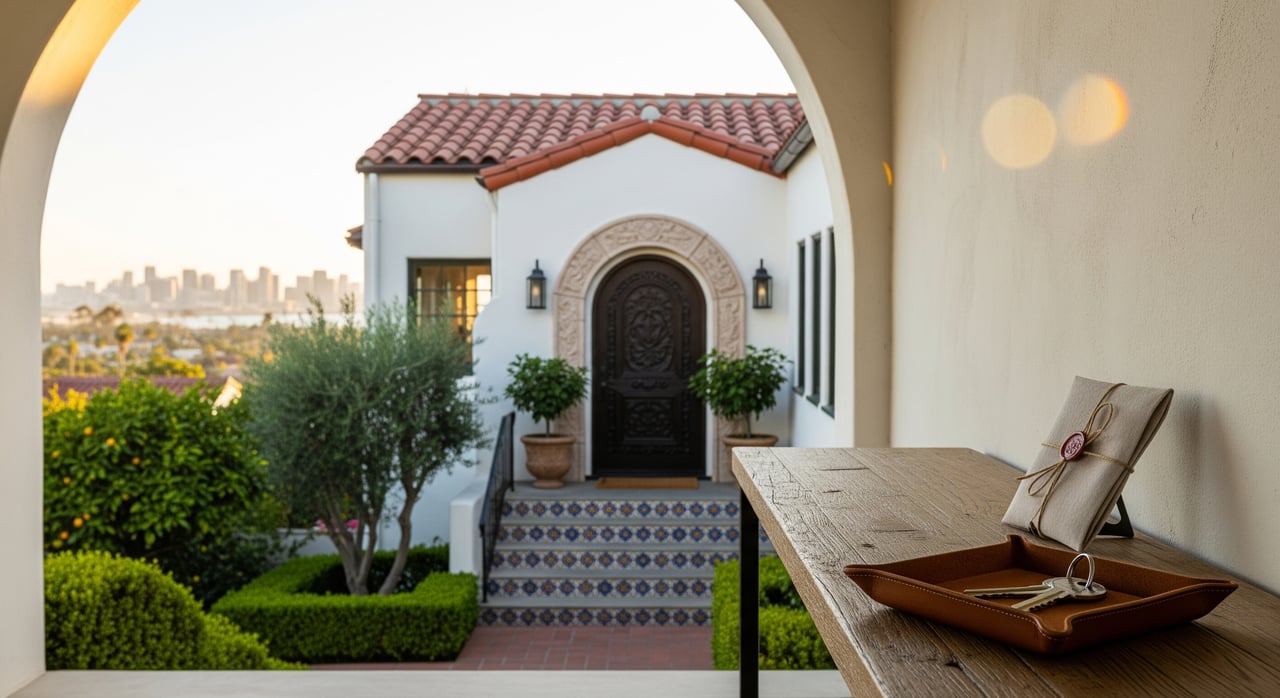
Buying or selling in Mission Hills and wondering what escrow really looks like here in San Diego? You are not alone. The process has many moving parts, and local details like older homes, possible historic elements, and HOA timelines can change your path to closing. In this guide, you will learn the step-by-step timeline, the main contingencies, what deposits do, and practical checklists to keep your deal on track. You will also see how a service-first agent approach can help you move from offer to keys with confidence. Let’s dive in.
Escrow basics in San Diego
Escrow is a neutral third party that holds funds and paperwork until both sides meet the agreed conditions for closing. In California, escrow companies and title companies commonly handle this role in residential sales. They coordinate signatures, collect and distribute money per the instructions, and confirm everything is ready for recording.
Escrow is different from title insurance and loan underwriting. The title company searches and insures title, while your lender handles the loan approval. Your escrow officer keeps the logistics moving and follows the written escrow instructions from buyer and seller.
Who is involved
- You (buyer or seller)
- Your real estate agents (listing and buyer)
- Escrow officer and escrow company
- Title company and title officer
- Lender and loan processor (if financing)
- Inspectors, pest/termite company, and appraiser
- HOA management, if the home is part of an association
Mission Hills factors that shape escrow
Mission Hills features many pre-war bungalows, Craftsman homes, and smaller lots. These homes can have older systems, nonconforming or altered improvements, easements, or historic considerations. That often means broader inspections, like roof or sewer scope, and careful review of disclosures.
The neighborhood can be competitive when inventory is tight. Buyers may offer shorter contingency periods to stand out. Sellers often expect fast deposits and clear timelines. Your strategy should balance offer strength with the protections you need to feel secure.
Timeline from offer to close
Contract dates control your transaction. The ranges below are common in San Diego and can vary by agreement and loan type.
- Initial deposit to escrow: usually within 1 to 3 business days after acceptance
- Typical escrow length: 17 to 45 days; 30 days is a common baseline
- Inspection period: often 7 to 17 days
- Loan contingency removal: often 17 to 21 days for conventional loans
- Appraisal timing: typically 7 to 14 days from order, longer if busy
- HOA document review: often 3 to 10 business days after receipt
- Final walkthrough and close: last 1 to 5 days before recording and funding
Tip: If you are buying a Mission Hills condo or townhome, build in time for HOA document delivery and review.
Key contingencies to understand
- Inspection contingency: You can inspect the home and request repairs or cancel based on findings. In Mission Hills, consider roof, sewer scope, HVAC, and a pest inspection.
- Loan contingency: Protects you if your financing cannot be obtained on the agreed terms by the deadline.
- Appraisal contingency: Helps if the appraisal is lower than the purchase price. Your options depend on the contract.
- Title review: You and your lender review the preliminary title report and request fixes for exceptions when needed.
- HOA/CC&R review: If applicable, you review association documents within the contract window.
- Sale-of-home contingency: Some buyers need to sell a current home first. This is less common in competitive markets.
When you decide to proceed, you remove contingencies in writing. After removal, your deposit may become nonrefundable if you default. Always confirm your contract terms.
Deposits and how they work
- Initial deposit (earnest money): Commonly 1 to 3 percent of the purchase price. Larger deposits can strengthen an offer.
- Additional deposits: Some contracts add a second deposit later in escrow.
- Where funds go: Escrow holds deposits in a trust account and only releases funds per written instructions.
- If a dispute happens: Escrow follows the written instructions or a legal outcome. If a buyer breaches after contingency removal, the contract may allow the seller to keep the deposit as liquidated damages, depending on the terms.
Buyer checklist: Mission Hills escrow
Days 0 to 3
- Deliver your earnest money on time.
- Calendar every deadline: inspection, loan, appraisal, and HOA review.
- Book a general home inspection and pest/termite inspection right away. Add roof or sewer scope if the home is older.
- Send your lender all requested documents and confirm appraisal order timing.
Inspection period (7 to 17 days, per contract)
- Attend the inspection(s) and ask questions on-site.
- Review findings and decide on repair requests or a credit.
- Negotiate with the seller and sign any agreed repair or credit addenda.
Mid-escrow
- Track the appraisal appointment and make sure the appraiser has access.
- Follow up regularly with your lender on underwriting status.
- For HOA properties: review all documents quickly and raise any questions early.
Final week
- Do a final walkthrough 24 to 48 hours before closing to confirm repairs and condition.
- Confirm funding timing with your lender and verify escrow wiring instructions.
- Review the closing disclosure or settlement figures for accuracy.
Closing day
- Sign final documents as directed by escrow.
- Wait for escrow to confirm funding and recording, then receive your keys.
Seller checklist: keep your sale moving
Days 0 to 3
- Deliver all required disclosures and available reports.
- Confirm the buyer’s deposit was received by escrow.
During escrow
- Provide access for inspections, pest/WDO, and the appraisal.
- Respond to repair requests promptly and keep negotiations documented in writing.
- If there is an HOA, coordinate rapid delivery of association documents.
Pre-closing
- Sign seller documents, and prepare keys, remotes, and access codes.
- Verify mortgage payoff and any lien payoffs with escrow. Confirm tax and HOA proration details.
How Derek keeps your escrow on track
You deserve calm, clear communication and steady coordination. Here is a workflow that reflects best practices Derek uses to guide clients through Mission Hills escrows.
Right after acceptance
- Open escrow, confirm the escrow officer, and circulate a “Welcome to Escrow” email with deposit instructions, contact details, and a clear calendar of deadlines.
- Add every contingency date to a shared calendar so everyone stays aligned.
Ongoing monitoring
- Confirm the deposit posts to escrow and that inspections are scheduled within the window.
- Check with the lender every 24 to 48 hours to track underwriting items and appraisal status.
Mid-escrow solutions
- If inspections reveal issues, propose practical fixes like a focused repair list, a credit, or an escrow holdback when appropriate. Obtain contractor bids when needed.
- Coordinate HOA document delivery and confirm your review timeline.
Contingency removals
- Prepare and route removal forms when you are ready. Explain the impact on deposits and default terms.
- Confirm delivery and receipt of removals with all parties.
Final week and close
- Verify clear-to-close with the lender and confirm funding date and time with escrow.
- Run a 48-hour pre-close checklist: walkthrough booked, payoffs verified, repair items confirmed, and settlement numbers reviewed.
- Confirm recording and coordinate key exchange.
This steady cadence, paired with service-first communication, keeps small problems from becoming big ones.
Common hurdles and fixes
- Delayed appraisal: Request status updates, alert the lender, and consider submitting comparable sales or asking about a second appraisal if appropriate.
- Lender underwriting delays: Send any missing documents within 24 hours and escalate to the loan officer and branch leadership when needed.
- Major inspection findings: Consider a credit, seller-completed repairs, or a written escrow holdback agreement. Include contractor bids to guide decisions.
- Title issues or liens: Ask for payoff or cure steps promptly and document agreements in writing. If needed, pursue mediation per your contract.
Final walkthrough and closing
In the last few days, you verify repairs and confirm the home’s condition. Escrow coordinates the closing statement and signatures, your lender funds the loan, and the deed records with the county. Once escrow confirms recording, keys are released. Keep copies of your final documents for tax and insurance records.
If you want a calm, proactive guide for Mission Hills escrow, connect with the team that treats real estate like a community service. Get dedicated, hands-on support from Derek Jones Realty.
FAQs
How long is escrow in San Diego for Mission Hills homes?
- Typical escrows run 17 to 45 days, with 30 days as a common baseline. Your contract sets the exact timing.
When is earnest money due in a Mission Hills purchase?
- Most contracts require the initial deposit within 1 to 3 business days after acceptance. Escrow holds the funds in a trust account.
Can I get my deposit back if I cancel during escrow in San Diego?
- If you cancel within an active contingency period, deposits are typically refundable under the contract. After you remove contingencies, deposits may become nonrefundable if you default.
Who usually pays title and escrow fees in San Diego?
- These costs are negotiable. Many deals split some fees, but your contract and closing statement will control.
What if repairs are needed right before closing on a Mission Hills home?
- You can agree to complete repairs before closing, accept a monetary credit, or use an escrow holdback. Put every agreement in writing.
Will HOA documents delay a Mission Hills condo escrow?
- HOA delivery and your review window can add days. Order documents early and review them quickly to stay on schedule.
Are pest or termite (WDO) inspections required in San Diego escrows?
- Lenders commonly require a wood-destroying organism inspection. Order it during your inspection period and allow time for any needed treatment or clearance.