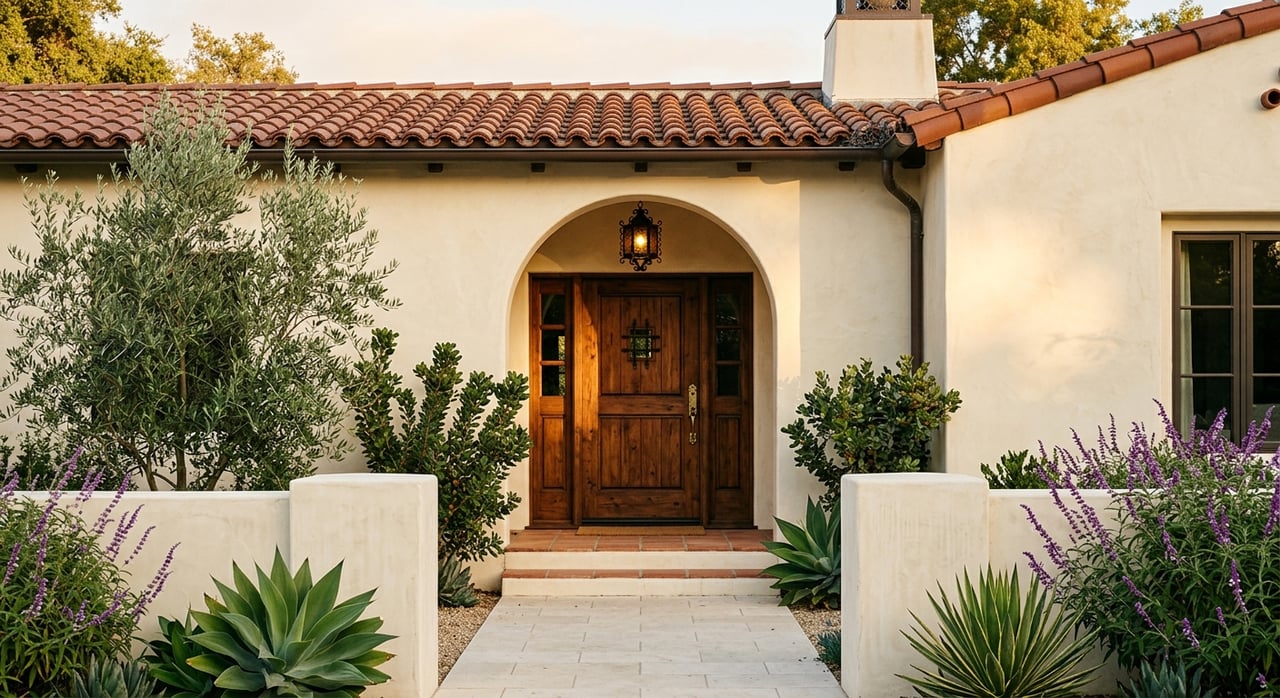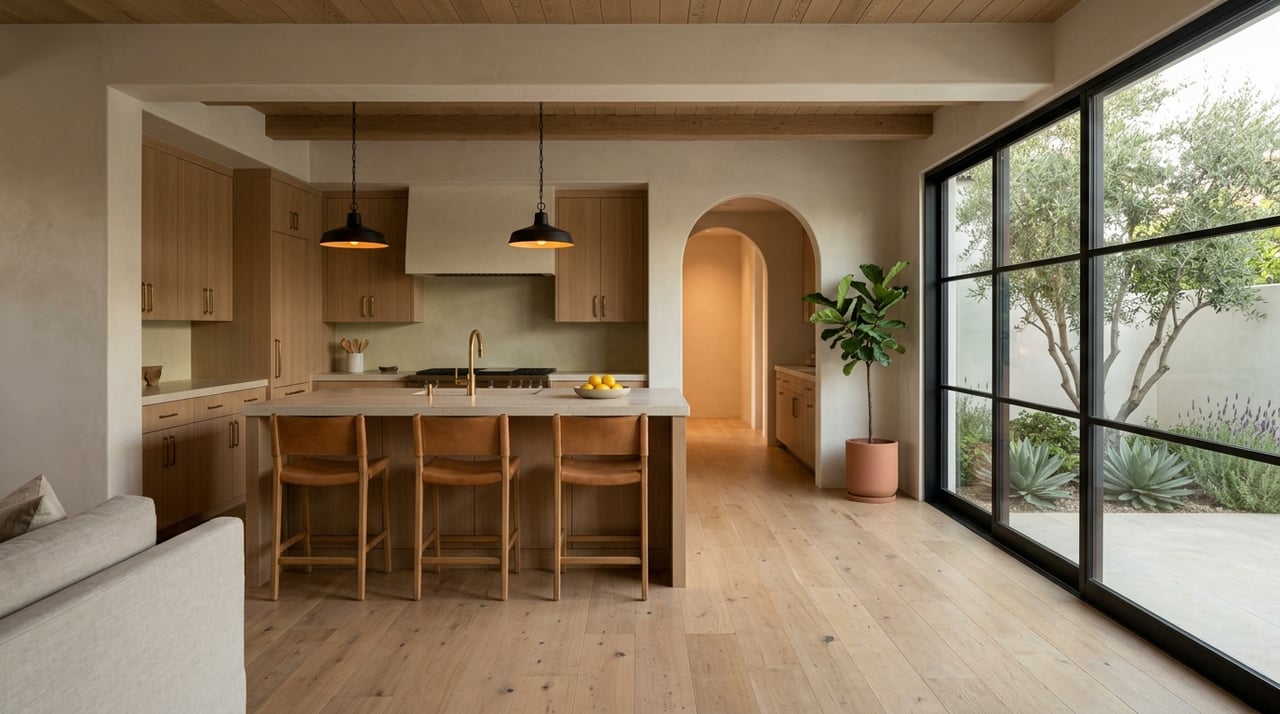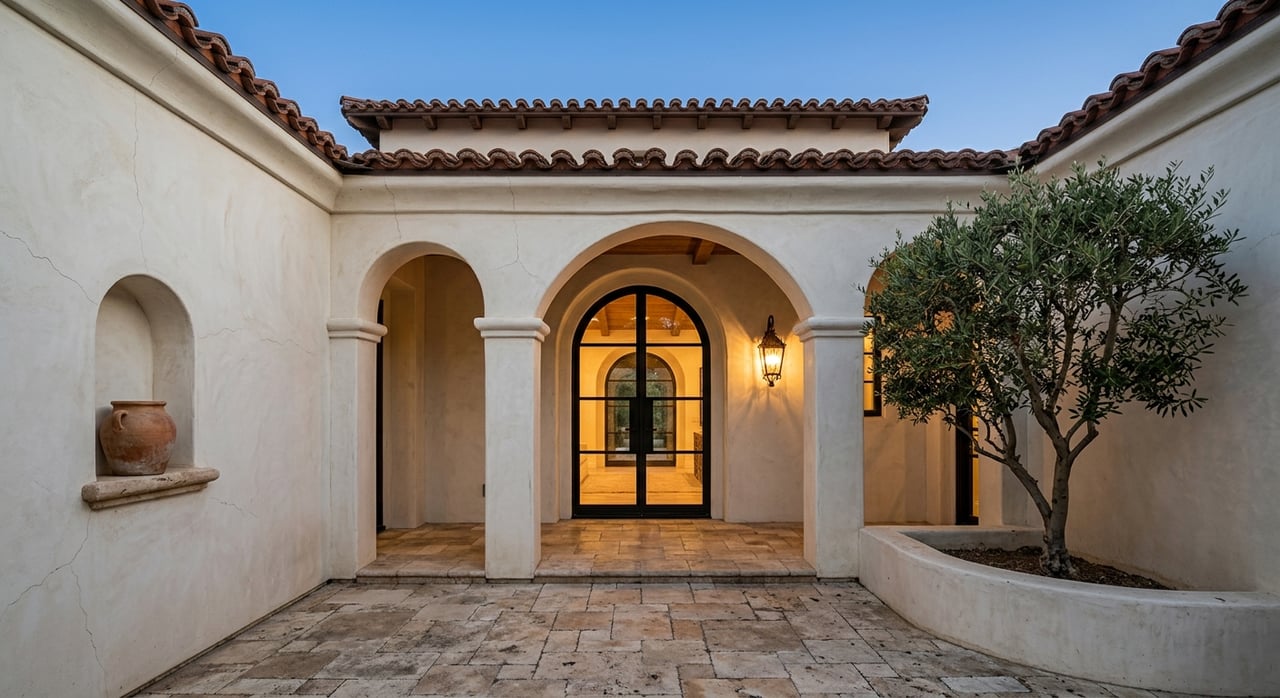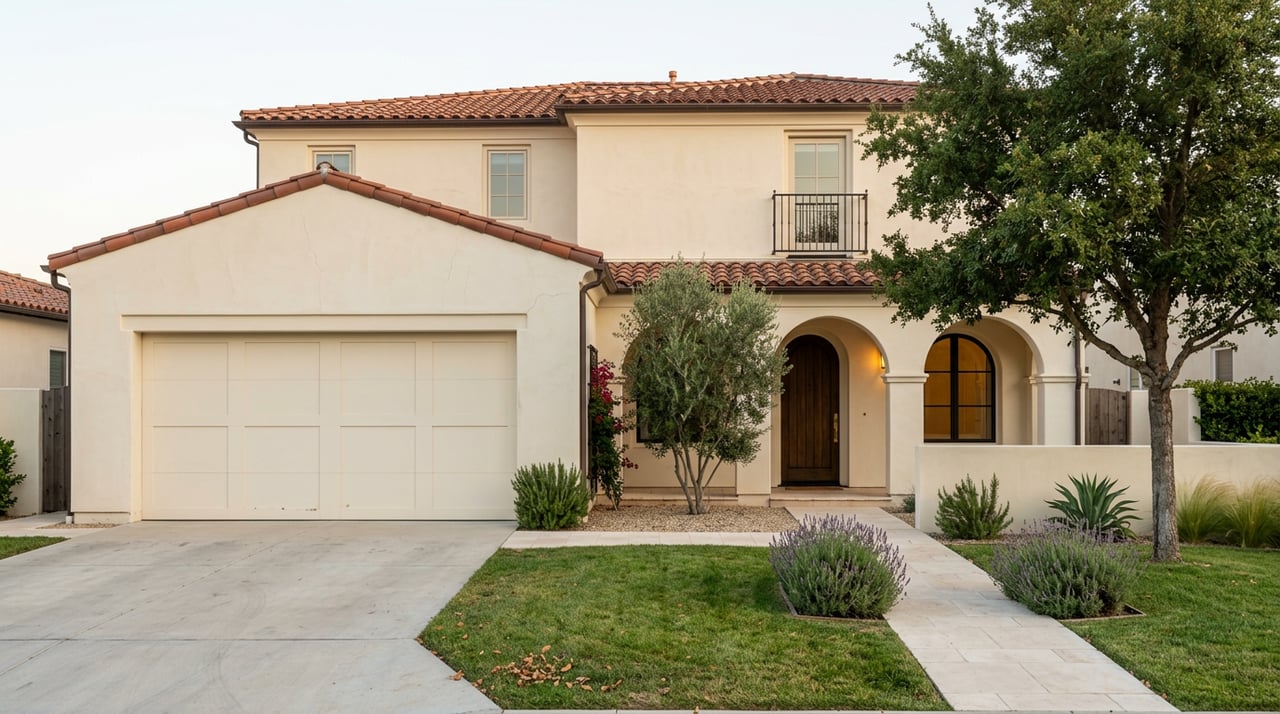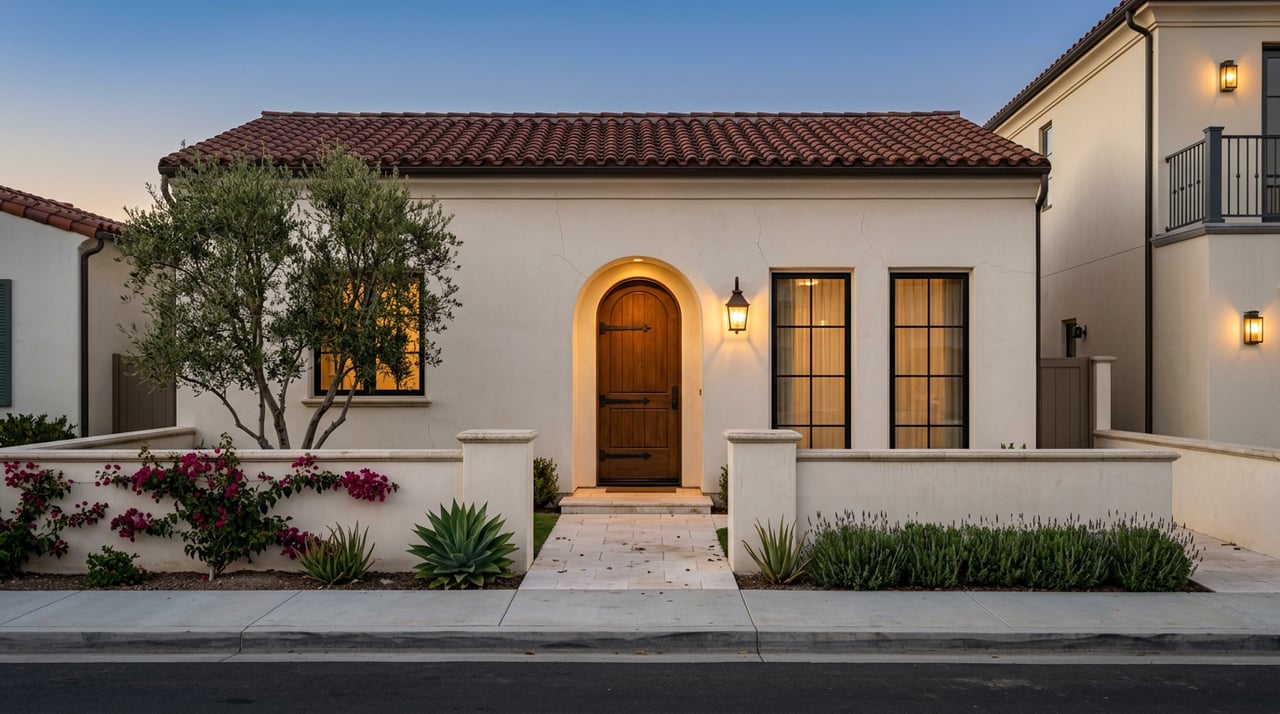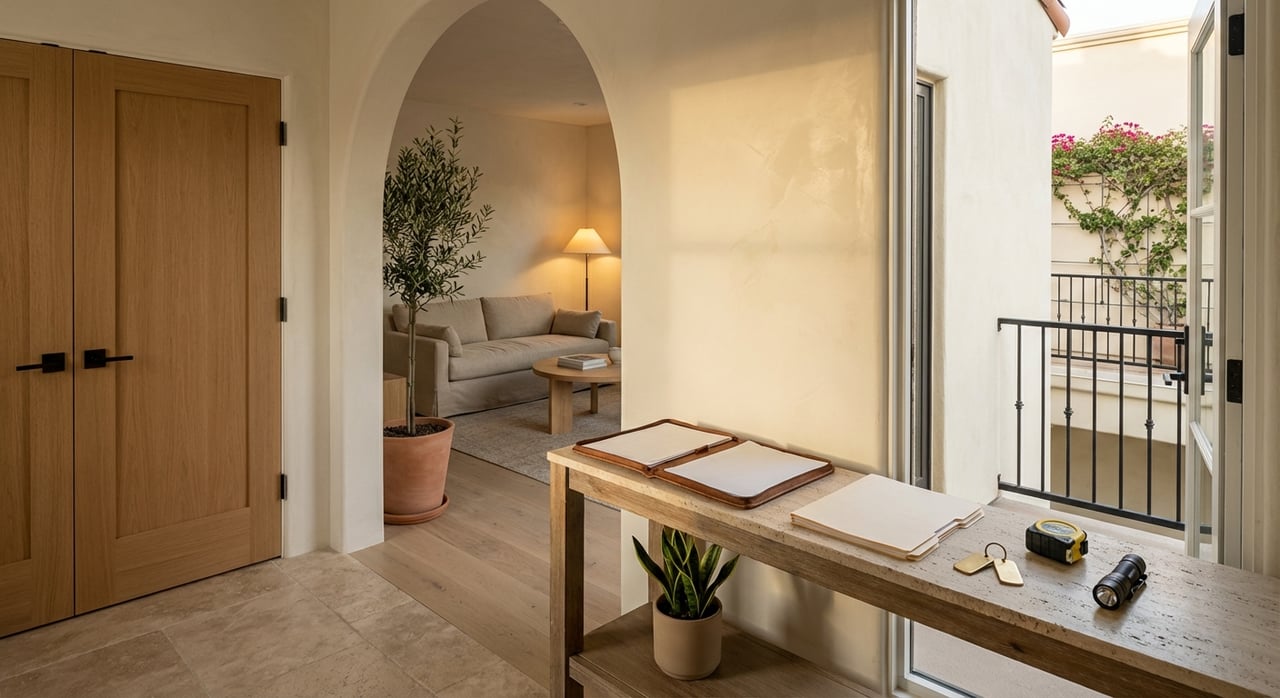
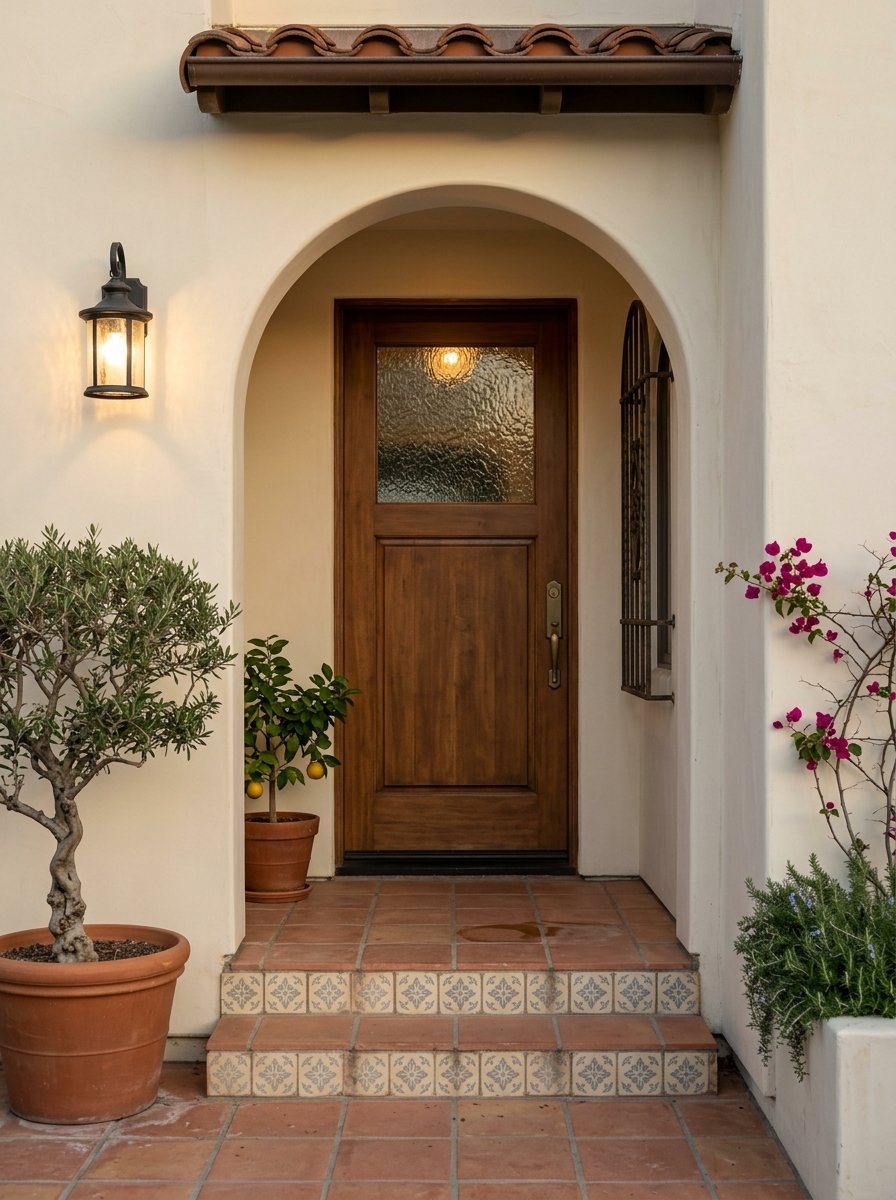
Selling a character home in Mission Hills is not the same as selling a newer property across town. Buyers are often drawn to the architecture, original details, and the neighborhood’s long history, but they also look closely at condition, maintenance, and what future ownership may require. If you are thinking about listing one of these homes, it helps to know where the opportunities and sticking points usually show up. Let’s dive in.
Why Mission Hills homes stand apart
Mission Hills has a distinct housing story. The City of San Diego describes the neighborhood as a place of stately and unique homes, and many date back to the early 20th century.
According to Mission Hills Heritage, much of the neighborhood was built between the late 19th century and 1940. Common architectural styles include Colonial Revival, Craftsman, Craftsman Bungalow, Mission Revival, Prairie School, and Spanish Revival. That variety is a big part of what makes selling here different.
When buyers walk into a character home, they are usually evaluating two things at once. They want the charm, but they also want clarity about how the home has been cared for over time.
Historic status can shape your sale
Some Mission Hills properties are located within locally designated historic districts. Mission Hills Heritage notes that the Mission Hills Historic District and Fort Stockton Line Historic District were designated by the City of San Diego in 2007.
If your home is a contributing resource in a historic district, that can affect both marketing and ownership expectations. The City of San Diego explains that owners must maintain these properties in line with the Secretary of the Interior's Standards and obtain approval before maintenance, restoration, or alteration work.
That does not mean remodeling is impossible. It does mean buyers may want to understand what approvals could be needed for future work, so having that information ready can make your listing feel more transparent and easier to evaluate.
Mills Act benefits matter, if verified
Historic designation can sometimes come with a financial upside. The city states that designated historical resources may be eligible for Mills Act property tax relief, but local historical designation is required before a property can enter a Mills Act agreement.
If your home already has an active Mills Act agreement, that is worth mentioning clearly and accurately. The city also notes that the benefits and responsibilities go with the land, which means a new owner inherits both.
The key is to market this fact carefully. You want to confirm whether the agreement is active and avoid suggesting eligibility if it has not been established.
What the Mission Hills market suggests today
Pricing still reflects strong demand for the neighborhood. Redfin reported a February 2026 median sale price of $1,557,500 and 39 days on market, while the same source describes Mission Hills as very competitive, with many homes receiving multiple offers.
That said, a strong market does not mean buyers overlook issues. In a character home, buyers often compare architecture and location against maintenance history, update quality, and how much uncertainty remains after showings.
For you as a seller, that means pricing is not just about square footage or curb appeal. It is also about how confidently a buyer can understand the home’s condition.
Expect buyers to study condition closely
With older homes, buyers tend to pay extra attention to what is original, what has been updated, and what may need work later. That is especially true in Mission Hills, where many homes were built decades before modern building standards.
A beautiful original detail can absolutely add appeal. But if buyers also see incomplete records, unclear repair history, or deferred maintenance, they may become more cautious during escrow.
This is why character-home sales often reward preparation. The more clearly you present the home’s story, the easier it is for buyers to connect emotionally without feeling like they are taking on unknown risk.
Disclosures are a major part of the process
California sellers have important disclosure duties. The state's Real Estate Transfer Disclosure Statement is designed to describe the property’s condition and is not a warranty or a substitute for inspections.
For most one-to-four unit residential sales, sellers must disclose environmental hazards they know about. The California Department of Real Estate lists examples such as asbestos, radon gas, lead-based paint, formaldehyde, fuel or chemical storage tanks, and contaminated soil or water.
For a Mission Hills character home, this part of the process deserves extra care. Older materials and older systems can raise more questions, so complete and organized disclosures often help keep a transaction on steadier ground.
Lead-based paint rules are especially relevant
If your home was built before 1978, lead-based paint rules come into play. California says that before a contract is finalized, sellers must disclose known lead hazards, provide copies of any inspection reports, give buyers the EPA pamphlet, and allow a 10-day period for a lead inspection.
The law does not require you to inspect for or remove lead before selling. Still, if you already have reports or know about prior findings, those records need to be handled correctly.
California also notes that renovation, repair, or painting work in pre-1978 homes can create dangerous lead dust, and lead-safe certified contractors should be used when appropriate. If you are doing touch-up work before listing, that is an important detail to keep in mind.
Asbestos may come up in older materials
Asbestos is another issue buyers may ask about in older homes. The EPA explains that asbestos may be present in materials such as floor and ceiling tiles, pipe wrap, and insulation.
The agency also notes that undisturbed asbestos does not necessarily pose a risk, but disturbance can. For sellers, the practical takeaway is simple: if there is a known issue or prior report, disclose it properly and be careful about unnecessary pre-listing work that could complicate matters.
Pre-listing inspections can reduce surprises
A pre-listing inspection is often a smart move for a character home. The California DRE notes that reports prepared by the right expert can help support disclosures and may help limit liability.
That matters because older homes tend to generate more buyer questions during escrow. If you learn about issues before you hit the market, you can decide whether to repair them, disclose them, or factor them into your pricing strategy.
Depending on the home and the contract terms, you may also want to look into a termite or wood-destroying organism report. The DRE says that if a purchase contract or lender requires one, the seller must provide the report and written certification from a registered structural pest control company before title transfers.
Decide what to repair before listing
Not every issue needs to be fixed before your home goes live. In many cases, the better question is which items are worth addressing now because they improve buyer confidence or reduce escrow friction.
A thoughtful pre-listing plan often includes:
- Reviewing known condition issues
- Gathering past permits, invoices, and reports
- Identifying any historic designation documents
- Deciding which repairs improve presentation or reduce risk
- Preparing to price around items you choose not to correct
The goal is not to make an older home feel brand new. The goal is to present it honestly, attract the right buyer, and avoid preventable surprises.
Tell the home’s story with facts
Marketing a Mission Hills character home works best when the story is specific and grounded. Buyers respond well to original arches, woodwork, tile, windows, landscaping, and other period details, but those features should be presented in a way that matches the home’s current condition.
This is also where documentation matters. The city says it reviews permit applications for parcels containing structures that are 45 years or older and for projects in designated historic districts, so records and history can help give buyers context.
A strong listing usually separates original character from recent improvements. That simple distinction helps buyers appreciate the home while also understanding what has changed over time.
What to expect once your home hits the market
If your home is well prepared and priced with its condition in mind, you can still benefit from Mission Hills demand. Buyers are active in the neighborhood, and architecture remains a strong draw.
At the same time, expect buyers to ask detailed questions. They may focus on preservation status, past work, potential future restrictions, and the condition of older materials or systems.
In practice, this means your sale may move most smoothly when you enter the market with a complete package. Good preparation can make the difference between a confident offer and a hesitant one.
How Derek Jones Realty helps sellers prepare
Selling a character home often takes more than a quick cleanup and professional photos. It usually calls for calm planning, responsive communication, and a practical strategy for disclosures, inspections, pricing, and presentation.
That service-first approach matters in a neighborhood like Mission Hills, where details can shape both value and buyer confidence. With thoughtful preparation and polished marketing, you can position your home to stand out for the right reasons.
If you are thinking about selling your Mission Hills home and want a clear, hands-on plan, connect with Derek Jones Realty for personalized guidance.
FAQs
What makes selling a character home in Mission Hills different from selling a newer home?
- Mission Hills character homes often come with older materials, architectural details, possible historic considerations, and more buyer focus on condition, maintenance history, and disclosures.
Does historic designation in Mission Hills prevent future remodeling?
- No, not necessarily. The City of San Diego says historic-district properties must follow preservation standards and get approval before maintenance, restoration, or alteration work, but review happens along with other approvals.
Should you get a pre-listing inspection for a Mission Hills character home?
- Often, yes. For older homes, pre-listing inspections can help you identify issues early, support disclosures, and decide whether to repair, disclose, or price around a condition item.
Do sellers of older Mission Hills homes need to disclose lead-based paint?
- If the home was built before 1978, sellers must disclose known lead hazards, provide any related reports, give buyers the EPA pamphlet, and allow a 10-day lead inspection period before the contract is finalized.
Can a Mission Hills historic home qualify for Mills Act tax benefits?
- Possibly, but only if the property has local historical designation and enters an active Mills Act agreement. If there is an active agreement, the benefits and responsibilities transfer with the property.
What do buyers focus on most when touring a Mission Hills character home?
- Buyers typically look at both charm and risk, including original features, quality of updates, known issues, maintenance history, and what future work may be needed after closing.